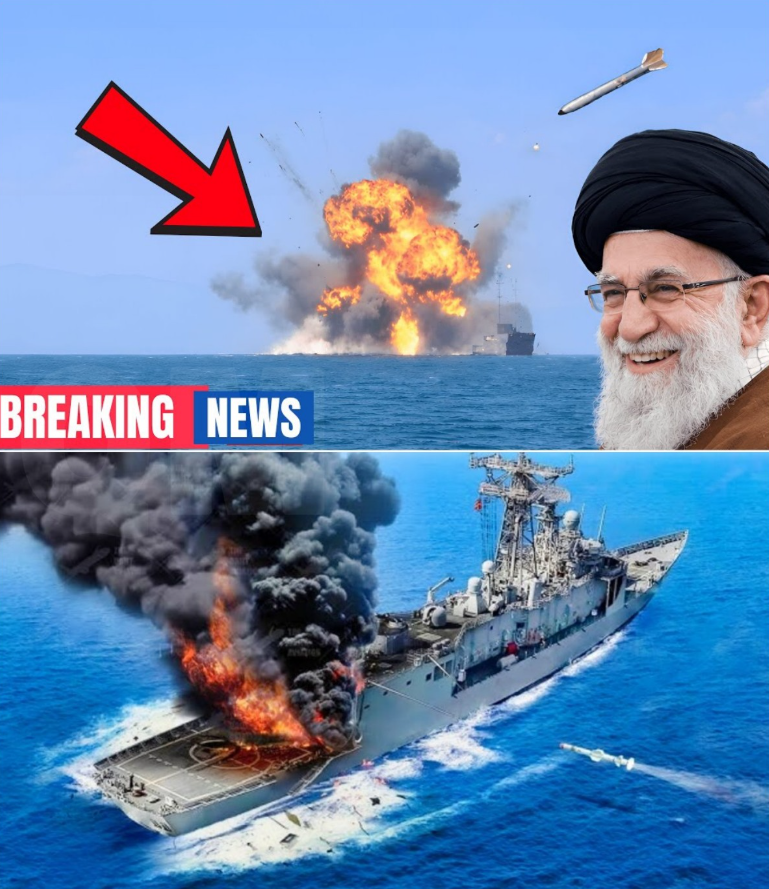
Iran’s Hypothetical Missile Ambush in the Strait of Hormuz: A 32-Minute Breakdown
In the narrow waters of the Strait of Hormuz, a fictional Iranian ambush targets a U.S. aircraft carrier with 32 anti-ship missiles. With 4,700 lives at stake and only 3 minutes 40 seconds until impact, the scenario tests modern naval warfare. What follows is a rapid 32-minute collapse of the attack through layered defenses, electronic warfare, and overwhelming U.S. retaliation. This analysis explores how technology, training, and strategy turn a surprise strike into strategic failure.
Disclaimer: This entire scenario is fictional. It uses publicly known military concepts for educational purposes only. It does not describe real events, reflect current intelligence, or predict future actions.
Why the Strait of Hormuz Matters
The Strait of Hormuz remains one of the world’s most critical chokepoints. Roughly 20% of global oil passes through its narrow waters every day. Iran borders the strait to the north, while Oman and the UAE lie to the south. Any disruption here spikes oil prices and threatens energy security worldwide.
Because of its location, the strait has long been a flashpoint. Iran has repeatedly threatened to close it during past tensions. A U.S. carrier strike group often patrols nearby to ensure freedom of navigation. In this fictional setup, Iran bets on a sudden, massive missile volley to change that balance.
The Planned Iranian Saturation Strike
Iran launches 32 anti-ship missiles from hidden coastal batteries. These weapons feature advanced guidance, low-altitude flight paths, and electronic countermeasures meant to confuse radar.
- Goal: Overwhelm the carrier group’s defenses with sheer numbers.
- Timing: Missiles streak toward the target in under four minutes.
- Threat level: High—modern anti-ship missiles can sink large ships if they get through.
For a moment, the plan looks perfect. However, U.S. Navy ships never sail alone or unprepared.
U.S. Layered Missile Defense Kicks In
The carrier strike group includes Aegis destroyers and cruisers. These ships carry the world’s most advanced missile defense systems.
- Detection — SPY-1 and SPY-6 radars spot the incoming missiles seconds after launch.
- Tracking — Computers lock on each threat and share data across the group.
- Interception — SM-2, SM-6, and ESSM missiles fire in salvos.
- Close-in defense — Phalanx CIWS and SeaRAM systems handle leakers.
Most incoming missiles fall to the sea. A few get close, but electronic jamming and decoys divert them. Within minutes, the saturation attack fails.
Electronic Warfare: The Invisible Fight
While interceptors fly, the real battle happens in the electromagnetic spectrum.
- Iran tries to jam U.S. radars and communications.
- U.S. ships deploy their own jammers and deception systems.
- Growler aircraft from the carrier launch powerful electronic attacks.
The U.S. maintains clear radar pictures and secure links. Iran’s jamming effort collapses. This invisible victory keeps the group coordinated and lethal.
Swift and Devastating Counterstrike
With the incoming threat neutralized, the carrier group strikes back.
- Submarines launch Tomahawk cruise missiles from underwater.
- Surface ships fire additional Tomahawks and long-range anti-ship missiles.
- Carrier-based aircraft prepare follow-on strikes if needed.
High-value Iranian targets—missile sites, command posts, radar stations—take precise hits. The response happens fast because plans and weapons stay ready at all times.
32 Minutes to Strategic Collapse
In this fictional timeline, Iran’s attack unravels completely in just 32 minutes:
- Minute 0–4: Missiles launch and close on the carrier.
- Minute 5–12: U.S. defenses intercept most threats.
- Minute 13–20: Electronic warfare neutralizes Iranian jamming.
- Minute 21–32: Tomahawk and air strikes destroy launch sites and support infrastructure.
What began as Iran’s boldest move ends in heavy losses and no damage to the carrier. The scenario shows why attacking a U.S. carrier strike group ranks among the riskiest military decisions possible.
Key Lessons from Modern Naval Warfare
This fictional case highlights several enduring truths:
- Layered defense works — Multiple systems (radar, missiles, guns) create redundancy.
- Electronic warfare decides battles — Jamming and counter-jamming shape outcomes before shots land.
- Retaliation matters most — The first strike rarely wins; the response often does.
- Preparation beats surprise — Constant readiness turns potential disasters into victories.
Naval planners on all sides study these dynamics daily. Technology evolves fast, but core principles stay the same.
Final Thoughts: A Reminder of High Stakes
Even though this scenario never happened, it mirrors real tensions in the Strait of Hormuz. Both sides know the risks of miscalculation. A single spark could escalate quickly and affect oil prices, shipping lanes, and global markets—including gas prices here in Seattle.
Understanding these concepts helps us grasp why leaders choose caution over confrontation. Have you followed recent developments in the region? What worries you most about potential escalation? Share your thoughts below.