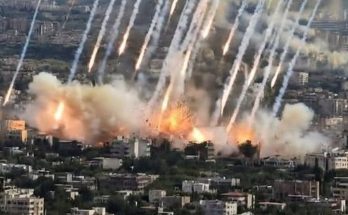
The provided text is from an Al Jazeera article (published around March 6-7, 2026) detailing the financial and human toll of the ongoing U.S.-Israeli military campaign against Iran, known as Operation Epic Fury, which began on February 28, 2026.
Key Financial Details from the CSIS Analysis
The Center for Strategic and International Studies (CSIS), a respected Washington think tank, released a report on March 5, 2026, estimating costs for the first 100 hours (roughly the initial 4+ days) of the operation:
- Total estimated cost: $3.7 billion (about $891.4 million per day).
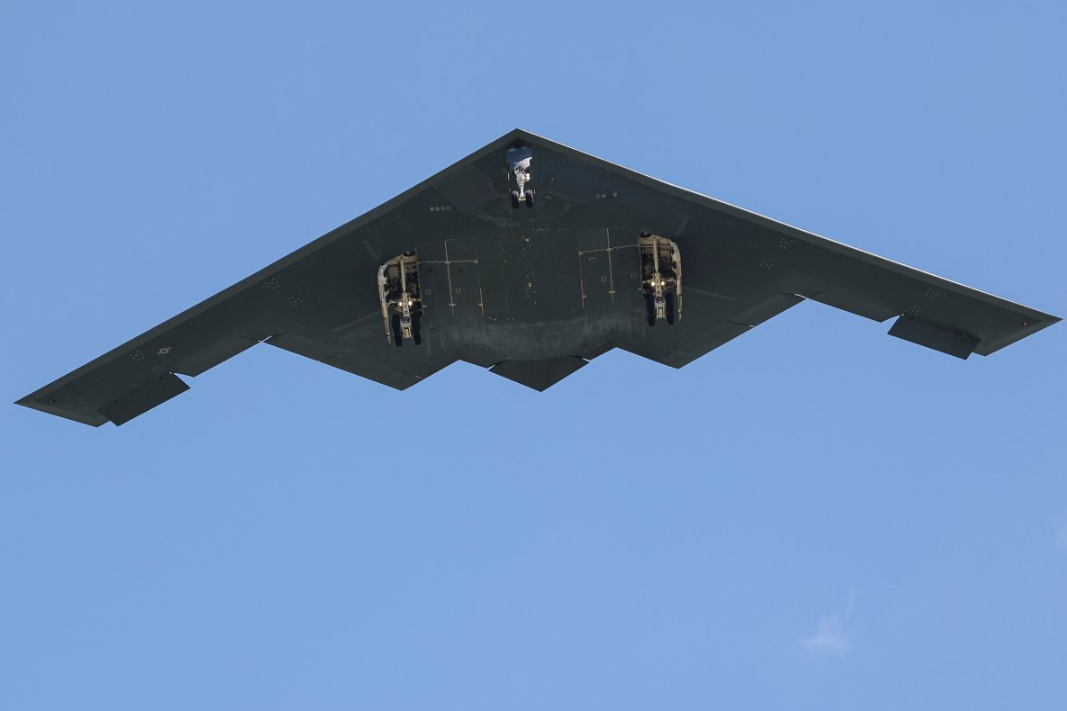
- Breakdown drivers: Primarily the expenditure of over 2,000 munitions (e.g., precision-guided missiles, bombs from stealth bombers like B-2s, and air defense interceptors like Patriot/THAAD), plus operational costs for aircraft carriers, fighter squadrons, naval assets, and support units.
- Munitions replenishment alone: ~$3.1 billion (unbudgeted), with daily replenishment costs rising by ~$758 million if the pace continues.
- Other categories: Operational/support costs (~$196 million total, mostly budgeted) and combat losses/repairs (~$350 million, unbudgeted).
- Budgeted vs. unbudgeted: Only a small portion (~$200 million) was already in the FY 2026 defense budget; the vast majority (~$3.5 billion) was not, meaning the Pentagon will likely need supplemental funding soon.
The researchers (Mark Cancian, senior adviser, and Chris Park, research associate) based this on Congressional Budget Office (CBO) unit cost estimates, adjusted for inflation, unit sizes, and a 10% uplift for higher operational tempo. They noted costs could decrease as the U.S. shifts to cheaper munitions and Iranian missile/drone threats decline, but future expenses hinge on conflict intensity and any Iranian retaliation.
Broader Cost Projections and Political Implications
- The Pentagon has reportedly prepared a $50 billion supplemental budget request to Congress for replenishing depleted stocks (e.g., Tomahawk cruise missiles, Patriot/THAAD interceptors), replacing damaged/worn equipment, and sustaining escalated operations (Defense Secretary Pete Hegseth has signaled a “dramatic surge” with more squadrons, bombers, and defenses).
- Other estimates: Some congressional briefings cited ~$1 billion per day overall; first-week totals around $6 billion (per Pentagon disclosures to lawmakers). Longer-term projections (e.g., from Penn Wharton Budget Model) suggest a 2-month campaign could run $40–95 billion militarily, plus broader economic hits (e.g., oil price spikes, inflation from disrupted Gulf energy flows).
- Political challenges: This comes amid U.S. domestic pressures (cost-of-living, inflation, rising gas prices from regional disruptions). It divides Trump’s “America First” base, which opposed “forever wars.” Any supplemental bill could become a flashpoint for anti-war opposition in Congress, especially with concerns over the federal deficit and debt interest. Unlike some prior operations (e.g., the Venezuela intervention under Trump), most Iran war costs aren’t pre-budgeted, making internal DoD reallocations politically/operationally tough.
Human Cost (as Reported)
- Iran: 1,332+ killed (Iranian Red Crescent), including at least 181 children (UNICEF).
- Lebanon (tied to broader front): 123+ killed from Israeli strikes.
- U.S.: 6 servicemen killed.
- Israel: 11 killed.
- Gulf Arab countries: 9 killed (from spillover/retaliation).
The conflict, now in its second week as of March 10, 2026, involves intense U.S./Israeli airstrikes on Iranian nuclear sites, military leadership/infrastructure, and command nodes, with Iran retaliating via missiles/drones (some hitting Gulf states) and proxy actions. No ground invasion has occurred yet, but escalation risks remain high. Public support in the U.S. appears low per early polls, and the high “burn rate” has fueled debates over sustainability and priorities.
This aligns closely with multiple reports from CSIS’s own site, Reuters, CNN, Politico, and others confirming the figures and context. If you’d like details on specific aspects (e.g., munitions types, oil market impacts, or congressional reactions), let me know!