Russia providing Iran intelligence on US forces has emerged as a major concern in the ongoing Middle East conflict. US officials report that Moscow shares targeting data to help Tehran locate American assets.
This development marks the first sign of indirect involvement by another major power. Reports surfaced March 6, 2026. Multiple outlets confirm the claims based on anonymous sources familiar with US intelligence.
What US Officials Are Saying
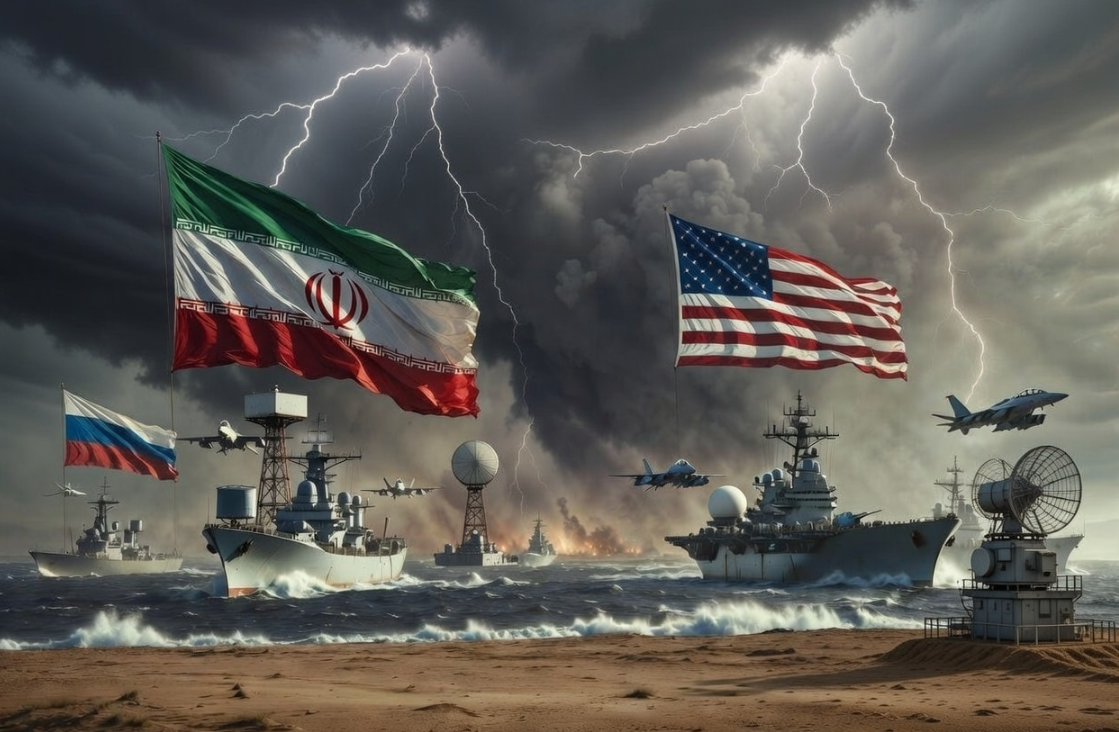
US officials state Russia supplies Iran with intelligence on US forces in the Middle East. This includes positions of warships, aircraft, radar systems, and other military assets.
- The data often comes from Russian satellite imagery.
- It helps Iran identify and potentially strike US targets.
- Officials describe it as a “pretty comprehensive effort” in some cases.
- However, no evidence shows Russia directs specific Iranian attacks.
- The sharing began after the US-Israel strikes on Iran started February 28, 2026.
Sources emphasize Iran’s own surveillance has weakened due to recent strikes. Russian help fills that gap for moving targets like ships and planes.
For example, one official told The Washington Post it fits patterns in Iran’s recent drone and missile actions against US sites.
Key Details from Reliable Reports
Major news organizations broke the story almost simultaneously:
- The Washington Post first reported it, citing three officials.
- Reuters, CNN, NBC News, The New York Times, and AP followed with similar accounts.
- Defense Secretary Pete Hegseth downplayed the impact in interviews. He said the US tracks everything and it doesn’t endanger operations.
- President Trump called it inconsequential in some remarks.
Meanwhile, China shows no similar involvement, per the same officials.
Russia has not commented officially. The Kremlin says it maintains dialogue with Iran but offers no details on intelligence matters.
Why This Matters in the Current Conflict
This intelligence sharing deepens ties between Russia and Iran. Both face US sanctions and oppose American influence in the region.
- It raises risks for US troops, ships, and bases in places like Bahrain, Kuwait, and the Gulf.
- Recent incidents include Iranian drones hitting US facilities, killing service members.
- Broader war fears grow if more powers get involved indirectly.
However, US defenses remain strong. Officials say they factor this into plans. No major shifts in operations have been announced.
Experts note Russia benefits from higher oil prices amid the conflict. Some see this as Moscow’s way to distract or pressure the US without direct fighting.
What Happens Next
US intelligence continues monitoring. Diplomatic channels stay open for de-escalation talks. Sanctions on Russia could expand if proven.
For the latest, check these trusted sources:
- The Washington Post original report
- CNN coverage
- NBC News details
In Seattle, many watch these updates closely. Oil prices spike again, affecting gas pumps. How does this news hit home for you? Does it change your view on the conflict? Share below—staying informed helps us all navigate uncertain times.