Trump’s Cuba Energy Quarantine: Pressure Mounts on Communist Regime
Trump’s Cuba energy quarantine tightens the economic noose on the island’s communist government. The policy aims to force change as Cuba faces its worst crisis in decades. Fuel shortages worsen daily life for 10 million people. Food, medicine, and clean water grow scarce. Repression rises while the regime digs in.
Experts say this could be the breaking point. Sebastián Arcos from Florida International University warns the government shows no sign of negotiating. Yet he doubts it can survive this round of pressure. President Trump even floated a “friendly takeover” idea, similar to past U.S. approaches in the region.
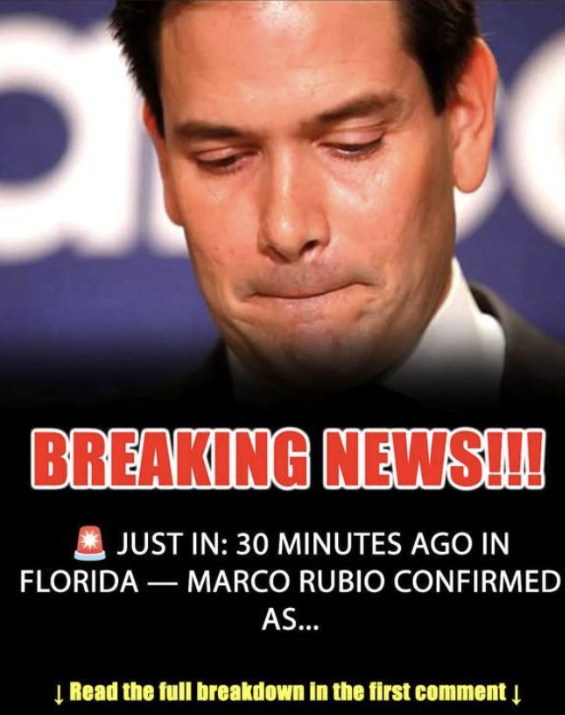
Meanwhile, Secretary of State Marco Rubio leads quiet outreach. Reports point to talks with Raúl Castro’s grandson. At the same time, the administration ramps up actions against Iran. These moves raise fresh questions about war powers and congressional oversight.
How the Energy Quarantine Hits Everyday Cubans
Cuba depends heavily on imported fuel. The U.S. blockade targets those shipments. Power outages stretch longer each week. Hospitals struggle without steady electricity or medicine. Families wait hours for basic food rations.
Sebastián Arcos, interim director of the Cuban Research Institute at FIU, describes the ripple effects. “A number of epidemics ripple through the population right now,” he said. Repression climbs as leaders feel cornered. For ordinary people, survival grows harder every day.
From my conversations with Cuban-American friends in South Florida, many describe family members skipping meals or walking miles for water. These stories match reports from independent observers on the ground.
Trump Suggests “Friendly Takeover” Path
President Trump spoke Friday about a possible “friendly takeover” of Cuba. He pointed to Venezuela as a model. There, the U.S. targeted top leaders but kept parts of the system intact while pushing for economic shifts.
This language signals flexibility. The goal appears to be regime behavior change rather than total collapse overnight. It also leaves room for negotiation if Havana shows willingness.
Rubio’s Back-Channel Talks with Castro’s Grandson
Secretary of State Marco Rubio reportedly met Raúl Guillermo Rodriguez Castro last week. The meeting happened on the sidelines of the Caricom conference in St. Kitts and Nevis.
Rodriguez Castro serves as bodyguard to his 94-year-old grandfather, Raúl Castro. He also holds influence over GAESA. This military-run conglomerate controls much of Cuba’s economy. Estimates from 2024 put its hidden assets at around $18 billion, according to the Miami Herald.
Rubio told reporters Cuba must change—but not all at once. “It doesn’t have to change all at once,” he said. The comment suggests the administration prefers gradual reform over sudden upheaval.
Iran Strikes Spark War Powers Debate
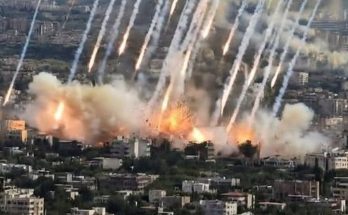
While Cuba pressure builds, the U.S. and Israel launched military action against Iran. White House Press Secretary Karoline Leavitt confirmed congressional notification. Secretary Rubio briefed seven of the eight “Gang of Eight” members before the strikes.
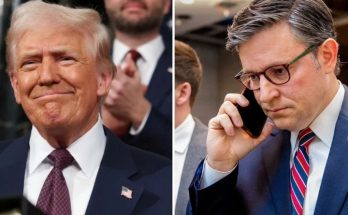
The Gang includes top congressional leaders and intelligence committee chairs. House Speaker Mike Johnson said the group received a detailed briefing earlier in the week.
Critics, including Rep. Thomas Massie (R-Ky.) and Rep. Ro Khanna (D-Calif.), call the strikes unauthorized. They plan to force a vote next week to limit future actions without Congress.
Presidents from both parties have long interpreted notification to the Gang of Eight as sufficient under the 1947 National Security Act. Full committee briefings often come later.
New Designation Targets Wrongful Detentions
On Friday, Rubio announced Iran’s designation as a state sponsor of wrongful detention. Trump signed an executive order last fall to protect U.S. nationals abroad. Congress later passed the Countering Wrongful Detention Act of 2025.
The move warns of further steps. These could include geographic travel restrictions on U.S. passports for Iran. Rubio stressed that Iran must stop the practice or face consequences.
What This Means Moving Forward
Cuba stands at a crossroads. Economic pain deepens while the regime clings to power. Quiet diplomacy continues through Rubio’s channels. At the same time, Middle East tensions draw U.S. focus and resources.
Many wonder: Will pressure finally crack the system, or will Havana outlast another round of hardship? History shows Cuban leaders endure crises. Yet current conditions look uniquely severe.
For the latest on U.S.-Cuba relations, check these trusted sources:
- Miami Herald coverage
- Florida International University Cuban Research Institute
How do you see these developments playing out? Do you think economic pressure will force real change in Cuba? Share your thoughts below—I read every comment.