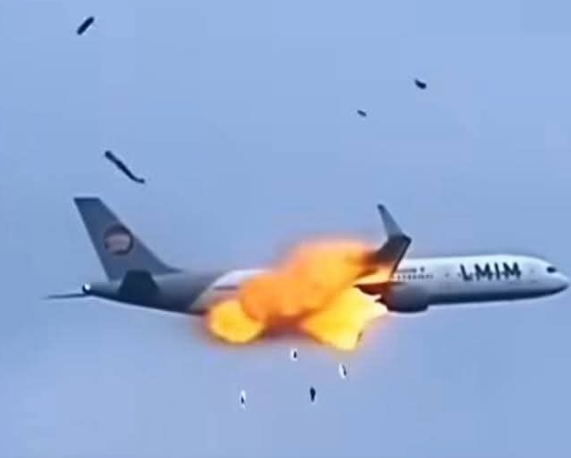
Global Attention Turns to Aviation Incident as Investigation Begins
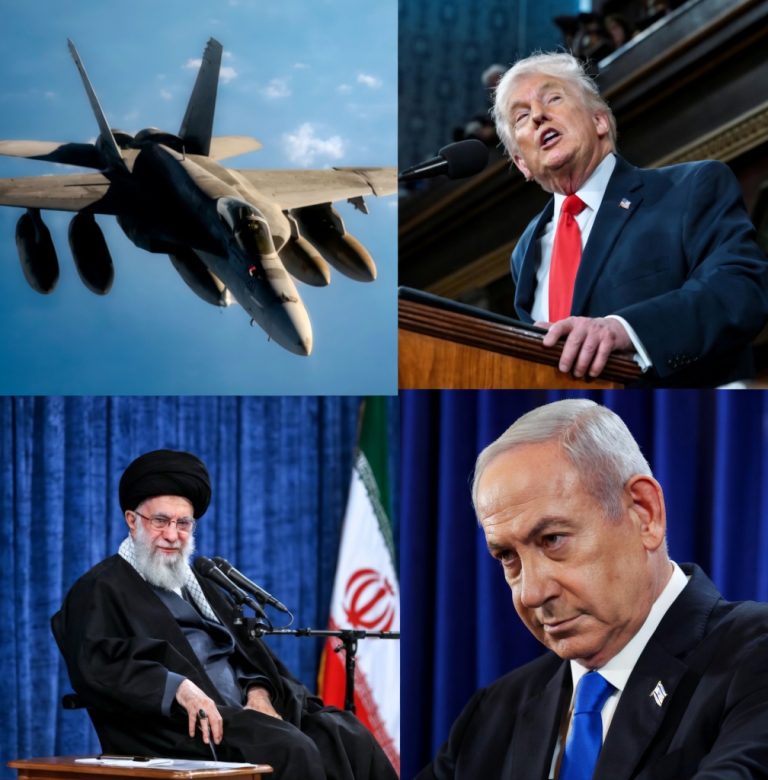
Massive explosions in Middle East cities lit up the night of March 8-9, 2026, as the U.S.-Israel war with Iran entered its second week. Residents in Tehran, Beirut, and Gulf capitals faced intense fear from airstrikes, missile barrages, and air defenses.
Sirens blared. Smoke filled the skies. People rushed to shelters. These events stem from ongoing joint U.S.-Israeli operations against Iranian targets, with Iran retaliating across the region.
Oil prices surged past $100 a barrel briefly. Markets reacted with sharp drops. The conflict shows no quick end.
Explosions Hit Tehran and Iranian Sites Hard
Israeli forces launched wide-scale strikes on Tehran overnight. They targeted oil depots, storage facilities, and infrastructure near Mehrabad Airport. Thick black smoke rose over the city of 10 million. Fires burned for hours.
Eyewitnesses called scenes “apocalyptic.” Toxic fumes spread, forcing people indoors. Iranian media reported hits on fuel sites in the capital and nearby provinces.
These attacks aim to cripple Iran’s energy sector and missile capabilities. U.S. and Israeli officials say they weaken Tehran’s fight. Casualties continue to rise, with over 1,300 reported deaths in Iran from strikes.
Iran Retaliates with Missiles and Drones on Israel and Gulf Allies
Iran fired multiple waves of ballistic missiles and drones. Targets included Israel and Gulf nations hosting U.S. forces.
- In Israel, defenses intercepted most threats. Some debris caused light injuries and fires.
- Gulf states like Qatar, Bahrain, Kuwait, Saudi Arabia, and UAE reported interceptions. Explosions echoed over Doha and Manama. Phone alerts urged sheltering.
No major civilian deaths from these defenses so far. Iran calls these responses justified. The IRGC vows to continue.
Hezbollah in Lebanon joined in. They launched rockets. Israel struck back in Beirut’s southern suburbs, issuing evacuation warnings.
Oil Markets Reel from Supply Fears
Brent crude spiked near $120 before easing above $100. This marks the highest since 2022. Strikes on Iranian oil facilities fuel the jump.
- Supply worries grow with threats to the Strait of Hormuz.
- Global stocks fell sharply on Monday. Asian and European markets tumbled first.
Experts warn prolonged fighting could push prices higher. G7 nations discuss reserves but hold back for now.
Iran Names New Supreme Leader Amid Chaos
Iran named Mojtaba Khamenei—son of the late Ayatollah Ali Khamenei—as its new supreme leader. The elder Khamenei died in early strikes on February 28, 2026.
Hardliners stay in control. Crowds celebrated in Tehran. President Trump called the choice “unacceptable.” This signals defiance.
The move comes as fighting intensifies. No diplomacy room exists yet, per Iranian officials.
Why These Events Alarm People Worldwide
Multiple cities faced attacks at once. Videos of fireballs and smoke spread fast online. Confusion breeds fear.
Military analysts say missteps risk wider war. Governments run emergency ops. Diplomats push de-escalation quietly.
In Seattle, many watch updates closely. Travel alerts urge caution. Stick to trusted sources like Reuters, BBC, or Al Jazeera.
Current Status as of March 9, 2026
Fighting rolls on into day 10 or more. Israel hits central Iran targets. Iran launches fresh barrages. U.S. reports a seventh service member death.
Civilian sites face risks. Claims of school strikes draw probes. Markets stay volatile.
This war started February 28 with strikes killing top leaders. It has spread to Lebanon, Iraq, and Gulf states.
Stay safe. Follow verified news. Avoid unconfirmed clips—they spread misinformation fast.
How are these events affecting you in Seattle? Does the oil price jump hit your wallet yet? Share your thoughts below.