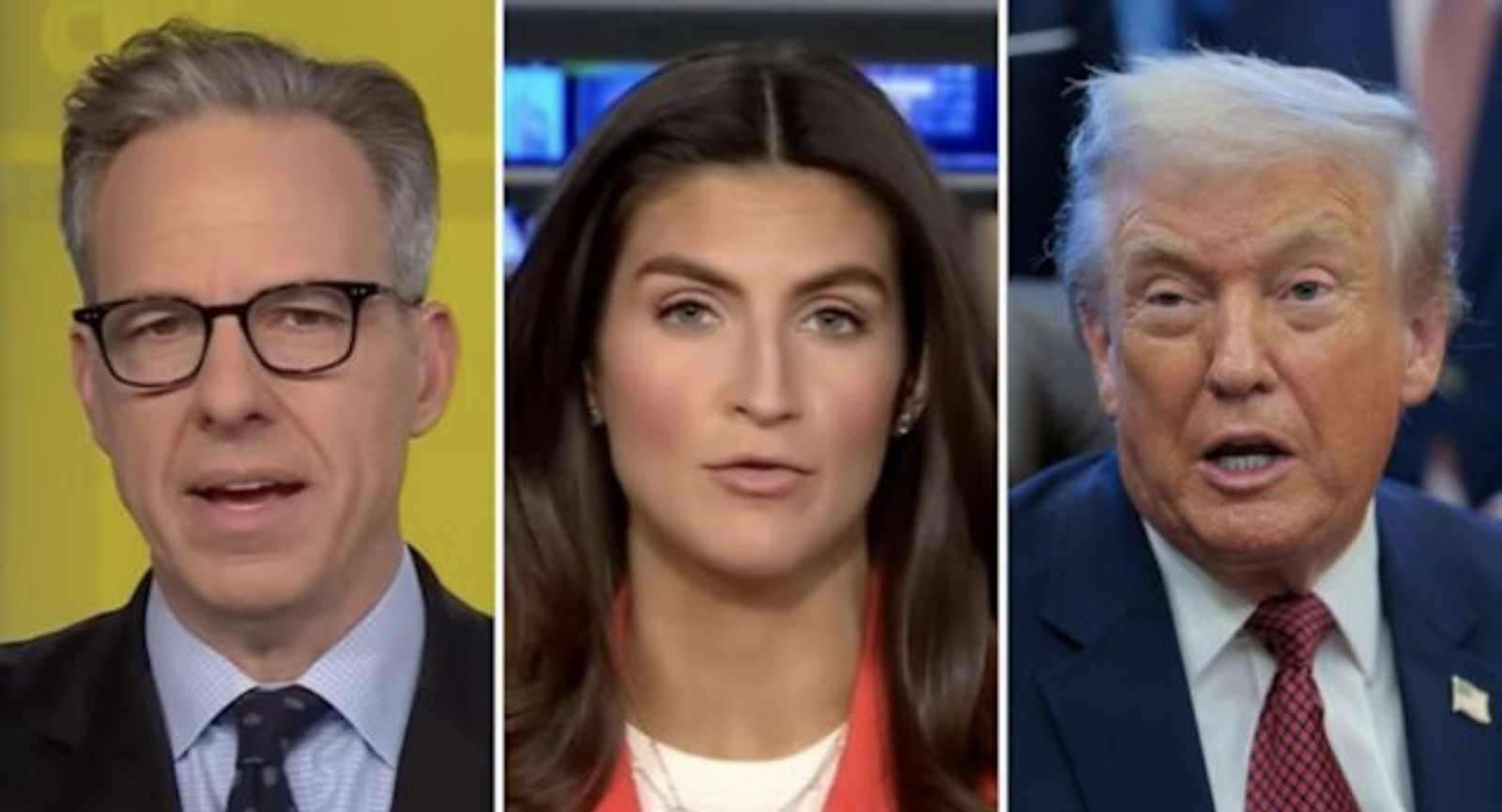
Trump Ally Promises CNN Overhaul If Paramount Succeeds in Warner Bros. Takeover
The Larry Ellison Paramount Warner Bros Discovery takeover has ignited fierce debate over media power, CNN’s future, and potential political influence in one of the biggest media deals ever.
Billionaire Larry Ellison (Oracle co-founder) and his son David Ellison (Paramount Skydance CEO) have positioned their company to acquire Warner Bros. Discovery (WBD) in a roughly $110-111 billion deal. This follows a heated bidding war where Netflix initially agreed to buy WBD’s studio and streaming assets but later withdrew. Paramount’s offer won out after being deemed superior.
The deal includes CNN—unlike Netflix’s plan, which would have spun it off. This has raised questions about editorial changes at the network, long criticized by President Donald Trump.
How the Deal Unfolded
Warner Bros. Discovery put itself up for sale amid industry pressures. Netflix struck an initial agreement focused on film, HBO, and streaming. Paramount Skydance countered aggressively with a hostile bid approach.
- Netflix declined to match Paramount’s final all-cash offer of about $31 per share.
- WBD’s board accepted Paramount’s proposal on February 27, 2026.
- The merger combines major studios (Warner Bros. and Paramount), streaming services (HBO Max/Max and Paramount+), and news outlets (CNN and CBS News).
Larry Ellison provides massive financial backing through equity commitments. The deal now awaits regulatory approval from bodies like the Justice Department and FCC. It could close in mid-to-late 2026 if cleared.
The Trump Connection and CNN Concerns
Reports indicate the Ellisons cultivated ties with Trump during the process. Larry Ellison reportedly called the president to argue against Netflix gaining dominance. David Ellison met with officials and attended events with Trump.
Trump has long called CNN “fake news” and said it needed new ownership. Some sources claim David Ellison assured officials of “sweeping changes” or a “cultural overhaul” at CNN if the deal succeeds—including potential anchor departures.
However, David Ellison has publicly pledged editorial independence for CNN. In a March 2026 CNBC interview, he said the network would stay independent and focus on being “in the truth business.” He emphasized building trust with mainstream viewers.
CNN staff have expressed worries about shifts toward a more conservative or “anti-woke” direction, especially with Bari Weiss (now CBS News editor-in-chief) potentially influencing the combined news division. Weiss has pushed changes at CBS, including hiring former ABC reporter Matt Gutman.
Broader Implications for Media
This merger creates a huge entertainment powerhouse but draws bipartisan criticism:
- Sen. Elizabeth Warren (D-MA) called similar consolidations “anti-monopoly nightmares.”
- Rep. Darrell Issa (R-CA) warned of reduced consumer choice.
Proponents argue it boosts competition against giants like Netflix and Disney. Critics fear concentrated control over news and content.
The deal highlights how politics intersects with media mergers today. Regulatory scrutiny will focus on antitrust issues, not just content promises.
For official details, check Paramount’s investor relations or WBD announcements. The full story remains unfolding—regulators hold the final say.
What do you think this means for news viewers? Could a combined CNN-CBS operation rebuild trust, or does it risk more polarization? Share your take below.