Trump Declares “Very Successful Attack” on Iranian Nuclear Facilities
Trump’s declaration of a “very successful attack” on Iranian nuclear facilities sent shockwaves through global capitals on March 10, 2026. The U.S. president called the joint U.S.-Israeli strikes a historic success. Iran’s Foreign Minister Abbas Araghchi hit back hard. He labeled the action “outrageous” and “criminal.” Tehran warned it reserves all options for self-defense. Many heard those words as a clear signal: escalation could come soon—and it might spread far beyond the Middle East.
Markets dipped. Oil prices jumped again. Diplomats in Europe and at the United Nations urged calm. Everyone asked the same question: What happens next? This moment feels like a tipping point. Below we break down the latest developments, reactions, and what they mean for the world.
What Happened in the Strikes
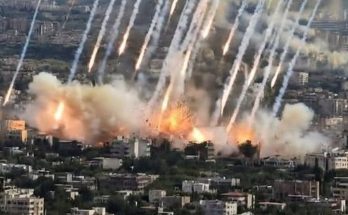
U.S. and Israeli forces hit key Iranian nuclear sites early March 10. President Trump announced the operation from Mar-a-Lago. He described it as “very successful” and a major step to stop Iran from building a nuclear weapon.
- Targets included enrichment facilities and research centers.
- U.S. officials say the strikes destroyed critical equipment.
- Iran confirms damage but claims its program continues.
The timing followed weeks of rising tensions. It came after earlier U.S.-Israeli actions that killed top Iranian leaders. Iran has already launched missile barrages in response. This latest round raises the stakes even higher.
Iran’s Strong Condemnation and Threat
Foreign Minister Abbas Araghchi spoke on state television within hours. He called the strikes a “criminal violation” of international law. Iran, he said, reserves every right to defend itself.
- “Reserves all options” became the key phrase repeated in every news report.
- Analysts see this as code for possible asymmetric attacks—cyber, proxies, or direct strikes.
- Tehran pointed to the UN Charter’s self-defense clause to justify any future move.
Ordinary Iranians face growing hardship. Power outages worsen. Food prices climb. Many fear the regime will crack down harder at home while lashing out abroad.
Reactions from Jerusalem and Washington
In Israel, officials praised the strikes as necessary. Prime Minister Netanyahu thanked President Trump for strong leadership. Supporters called it a decisive blow against an existential threat.
Washington echoed that view. Trump’s team highlighted intelligence showing Iran neared a breakout capacity. They argue the action prevents a worse crisis later.
However, some Republicans and Democrats in Congress question the lack of prior authorization. Rep. Thomas Massie and Rep. Ro Khanna plan to push a War Powers resolution this week.
Europe’s Grim Warning
European leaders reacted with deep concern. Diplomats in Brussels and Berlin spoke of treaties in ruins. Many fear a return to open regional war—or worse.
- France and Germany called for immediate de-escalation.
- The EU urged all sides to return to talks.
- NATO members quietly bolstered defenses in the eastern Mediterranean.
Energy markets felt the strain. Brent crude briefly topped $105 a barrel. European households already face high heating costs. Any wider conflict would make things much worse.
United Nations on High Alert
At the UN Security Council, ambassadors chose words carefully. Russia and China condemned the strikes. The U.S. and UK defended them as self-defense against an imminent threat.
No resolution passed yet. Behind closed doors, diplomats work to prevent a veto spiral. Everyone knows one wrong move could ignite a larger fire.
What Could Happen Next
Several paths lie ahead:
- Iran retaliates directly — More missiles or drone swarms on Israel or U.S. bases.
- Proxy escalation — Hezbollah, Houthis, or Iraqi militias step up attacks.
- Cyber or oil disruption — Strikes on shipping in the Strait of Hormuz.
- Diplomatic push — Quiet back-channel talks to freeze the fighting.
Oil prices and global inflation hang in the balance. For folks in Seattle, that means higher gas and grocery bills if tensions drag on.
Final Thoughts on a Dangerous Moment
Trump’s “very successful attack” claim marks a bold escalation. Iran’s cold promise to reserve all options raises the risk of miscalculation. Europe watches with dread. The UN holds its breath.
History shows these moments can end in disaster—or in uneasy pauses. Right now, the world waits for the next move.
Have these developments changed how you view the Middle East conflict? Does the threat of higher energy prices worry you most? Drop your thoughts below—I read every comment.
For the latest verified updates, check these trusted sources:
- Reuters Middle East coverage
- BBC News on Iran strikes
- Al Jazeera live updates
Stay safe and stay informed.